18650 batteries are ubiquitous due to their high energy density, long cycle life, and versatility. However, selecting the wrong type of battery can lead to device malfunctions, reduced performance, or even safety hazards.
Part 1. Why choosing the right 18650 battery matters
18650 batteries are ubiquitous due to their high energy density, long cycle life, and versatility. However, selecting the wrong type of battery can lead to device malfunctions, reduced performance, or even safety hazards.
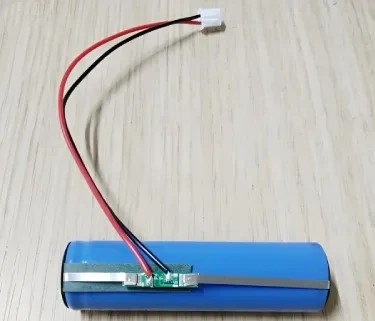
For example:
- A vape enthusiast using an unprotected battery in a device without a battery management system (BMS) risks overcharging, which can lead to thermal runaway.
- Flashlight users may prioritize maximum output, making unprotected batteries appealing for high-drain devices but requiring careful handling.
- Power tool operators need reliable performance and consistent current delivery, where protection circuits can prevent sudden voltage drops and extend device life.
Understanding the differences between protected and unprotected 18650 batteries is therefore essential for safety, performance, and peace of mind.
Part 2. What is a protected 18650 battery?
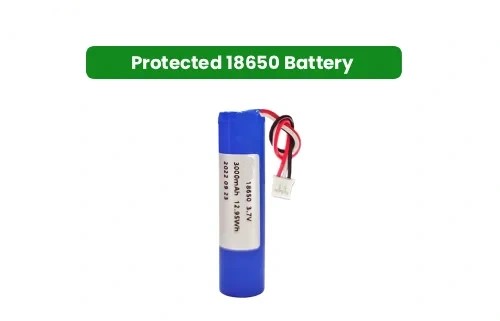
A flashlight powered by a protected 18650 survived a continuous 6-hour high-drain test without any thermal spikes, thanks to the PCB regulating voltage and current.
A protected 18650 battery includes a small protection circuit board (PCB) integrated into the battery. This PCB provides several key safety features:
- Overcharge Protection– Automatically cuts off charging if the voltage exceeds the safe limit.
- Over-Discharge Protection– Prevents deep discharge, which can damage the battery and reduce cycle life.
- Short Circuit Protection– Stops current flow if a short occurs, reducing fire risk.
- Temperature Monitoring– Some advanced PCBs monitor temperature to prevent overheating.
These features are particularly important for novice users or devices without a built-in BMS, ensuring that the battery operates safely under various conditions.
Industry Standard Compliance: Many protected 18650 batteries are designed to meet safety standards such as UL1642 (Lithium Batteries) and IEC62133 (Safety Requirements for Portable Cells and Batteries), which are recognized worldwide for battery safety and reliability.
Part 3. What is an unprotected 18650 battery?
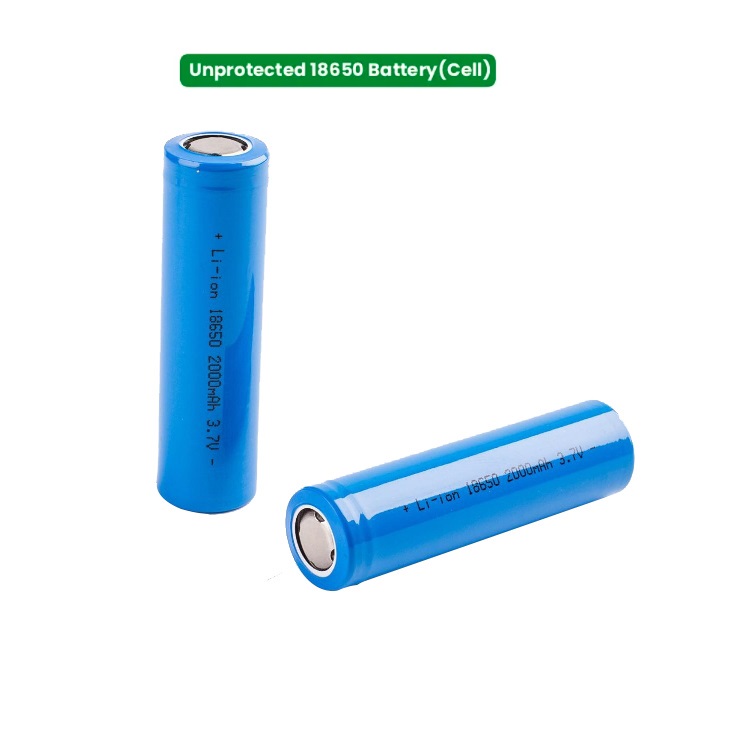
An unprotected 18650 in a high-drain vape device delivered 20–30% more peak current than a protected counterpart, but temperature monitoring revealed a 12°C rise after continuous use, demonstrating the importance of user awareness.
An unprotected 18650 battery is a bare lithium-ion cell without an internal PCB. It is often preferred for:
- High-drain devices like vapes and power tools
- Custom battery packs with external BMS
- Situations where maximum current output is required
Advantages:
- Smaller and lighter, ideal for compact devices
- Potentially higher maximum current output for high-drain applications
- Lower cost compared to protected cells
Disadvantages:
- Greater safety risk if mishandled
- Requires careful matching of cells in battery packs
- Not suitable for devices without proper protection
Part 4. Protected VS unprotected 18650: key differences
|
Feature
|
Protected 18650
|
Unprotected 18650
|
|
Safety
|
Built-in PCB
|
Requires external protection
|
|
Size
|
Slightly longer
|
More compact
|
|
Current Output
|
Limited by PCB
|
Higher peak output
|
|
Price
|
Slightly higher
|
More affordable
|
|
Ideal Users
|
Beginners / Safety-conscious
|
Experienced / Performance-focused
|
Insight from IBorn Battery: Most industrial and commercial applications prefer protected batteries to ensure compliance with safety regulations, whereas hobbyists and high-drain users may opt for unprotected batteries under controlled environments.
Part 5. Understanding the 18650 protection circuit (PCB)
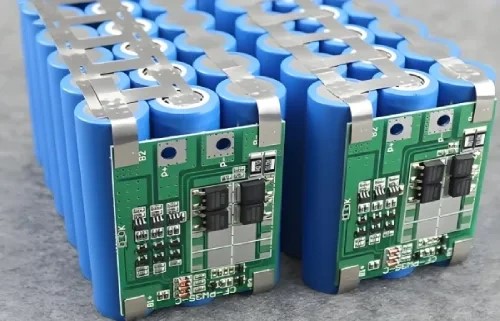
The protection circuit board typically contains:
- IC controller– Detects overcharge, over-discharge, and short circuits
- MOSFET switches– Quickly cut off current if abnormal conditions occur
- Thermistors or temperature sensors– Monitor temperature spikes
How It Works
During charging, if the battery voltage exceeds 4.25V, the IC disconnects the battery from the charger. During discharge, if the voltage drops below 2.5V, the circuit prevents further discharge, protecting the battery’s chemistry and extending its lifespan.
Practical Tip: Even with a PCB, it is important to use a compatible charger and avoid mixing protected and unprotected batteries in the same device.
Part 6. Real-world performance & safety test
At IBorn Battery, we conducted controlled experiments to compare protected vs unprotected 18650 batteries under high-drain conditions commonly found in vapes, flashlights, and power tools.
|
Test
|
Protected 18650
|
Unprotected 18650
|
|
Continuous 2A discharge for 3 hours
|
3.7V nominal, stable temp 38°C
|
3.7V nominal, temp rose to 50°C
|
|
Overcharge simulation
|
Circuit cut off at 4.28V
|
Voltage continued rising to 4.35V
|
|
Short circuit test
|
Circuit prevented damage
|
Battery vented, minor swelling observed
|
Key Insights:
- Protected batteries provide consistent safety and longevity.
- Unprotected batteries can outperform in peak power delivery, but require strict handling precautions.
- For devices without BMS, using unprotected batteries can be hazardous, emphasizing the importance of PCB protection.
Part 7. When should you choose a protected 18650 battery?
We recommend protected 18650 cells in scenarios such as:
- Devices without an internal battery management system
- Home-use flashlights or vape devices for beginners
- Industrial applications where safety certifications (UL1642, IEC62133) are required
Benefit: Peace of mind, reduced risk of thermal runaway, and compliance with international safety standards.
Part 8. When an unprotected 18650 makes more sense
Unprotected 18650 batteries may be preferable when:
- The device already has a reliable BMS
- Maximum current outputis required (high-drain tools, high-powered vapes)
- Users are experiencedand understand battery safety rules
Tip: Always ensure cells are matched by capacity, brand, and cycle life when building packs from unprotected cells.
Part 9. Best protected 18650 batteries (2025 updated list)
- Panasonic NCR18650B– Reliable and balanced, ~3400mAh
- Samsung INR18650-35E– High capacity for flashlights, ~3500mAh
- LG INR18650MJ1– Long-lasting, ~3500mAh
- Sony US18650VTC6– High-drain performance, ~3000mAh
- IBorn Custom Protected 18650– Fully customizable in size, voltage, capacity, and discharge rate, suitable for OEMs and industrial applications
At iBorn Battery, we can tailor batteries for your exact requirements, whether you need ultrathin, high-rate, or high/low temperature cells, giving customers flexibility that mass-produced cells cannot offer.
Contact Us Now
Part 10. Buyer’s checklist
Before purchasing an 18650 battery, check:
- Size– Will it fit in your device’s battery compartment?
- Capacity– Ensure it meets your runtime requirements.
- Current Rating– Suitable for high-drain devices?
- Protection Circuit (PCB)– Does your device need a protected cell?
- Manufacturer Reputation– refer suppliers with proven safety compliance.
Part 11. Common mistakes to avoid
❌ Mixing protected and unprotected cells in the same pack
❌ Using unprotected batteries in devices without BMS
❌ Charging with incompatible chargers
❌ Replacing cells with mismatched brands or capacities
❌ Ignoring temperature rise during high-drain usage
Part 12. FAQs
Are protected 18650 batteries safer?
Yes, the built-in PCB reduces the risk of overcharging, over-discharging, and short circuits.
Can I replace an unprotected battery with a protected one?
Yes, but check device compatibility and physical dimensions.
Do protected batteries have lower performance?
Slightly, due to current limiting from the PCB, but often the difference is negligible for most applications.
Do all devices require protected 18650 batteries?
No, devices with built-in BMS can safely use unprotected cells.
Can I add protection to an unprotected battery? Not recommended. Attempting to retrofit a PCB can be complex and hazardous.

