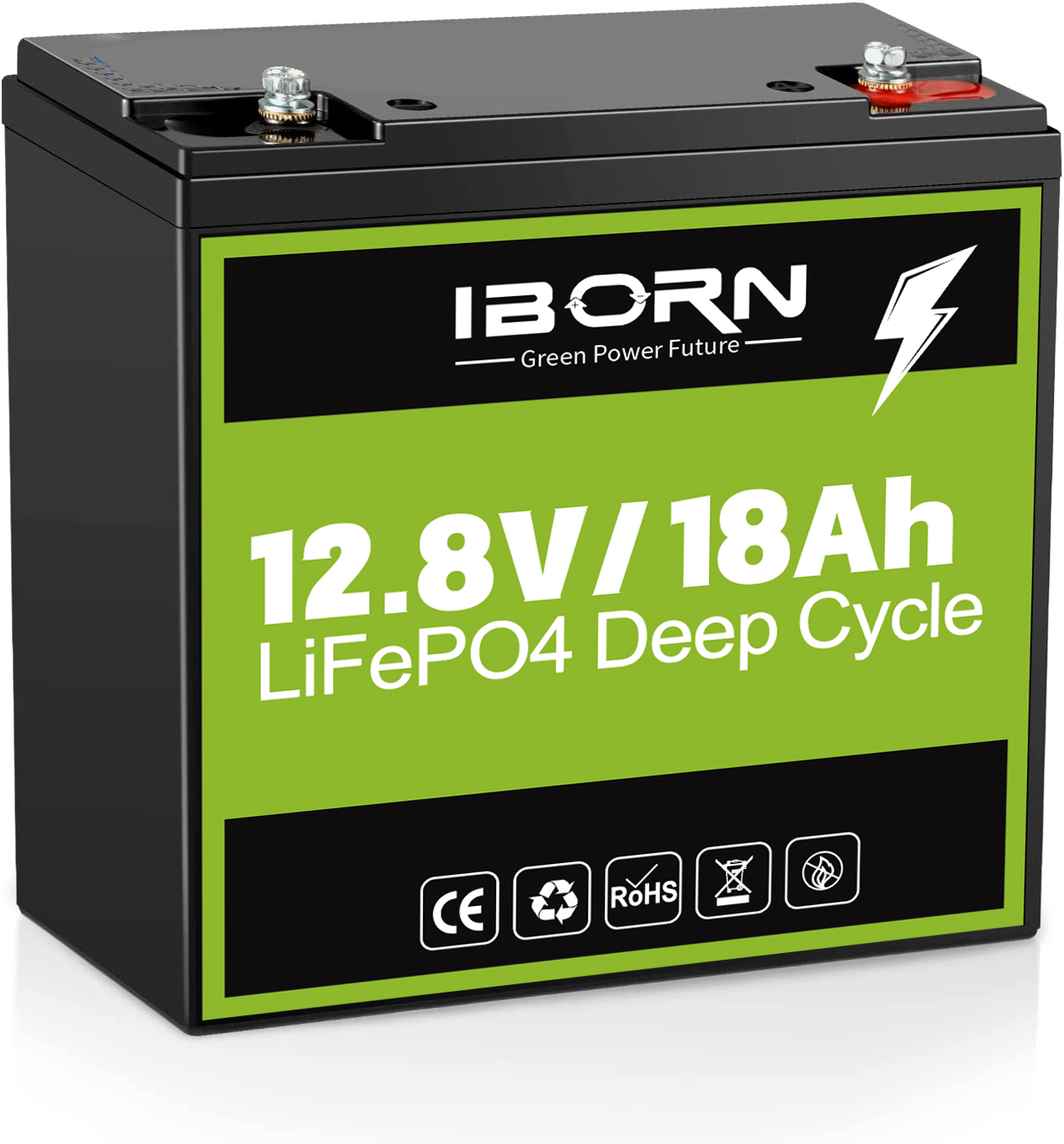
A 12V 18Ah lithium battery is a compact power source characterized by its voltage of 12 volts and a capacity of 18 ampere-hours (Ah). This means that the battery can deliver 18 amps of current for one hour or 1 amp for 18 hours. Lithium batteries like these have become essential in powering various devices and applications due to their lightweight composition and longevity compared to traditional lead-acid batteries.
As technology continues to evolve, the demand for reliable and efficient power sources has never been greater. Among the various options available, lithium batteries have emerged as a popular choice for both consumers and industries alike. In this ultimate guide, we will delve into everything you need to know about 12V 18Ah lithium batteries, from their applications to maintenance, advantages, and even safety considerations.
What is a 12V 18Ah Lithium Battery?
A 12V 18Ah lithium battery is a compact power source characterized by its voltage of 12 volts and a capacity of 18 ampere-hours (Ah). This means that the battery can deliver 18 amps of current for one hour or 1 amp for 18 hours. Lithium batteries like these have become essential in powering various devices and applications due to their lightweight composition and longevity compared to traditional lead-acid batteries.
Key Applications of 12V 18Ah Lithium Batteries
The versatility of 12V 18Ah lithium batteries makes them suitable for numerous applications:
- Solar Energy Storage:These batteries can store excess solar energy, providing a reliable power source during the night or cloudy days.
- Electric Vehicles and E-bikes:With their lightweight design and high energy density, they are ideal for electric scooters, bikes, and even small electric vehicles.
- Portable Power Supplies:Perfect for camping and outdoor activities, these batteries can power lights, gadgets, and even small appliances.
- Backup Power:They serve as excellent backup power sources for homes and essential medical devices, ensuring continuous power supply in emergencies.
The Advantages of Lithium Batteries over Lead-Acid Batteries
When comparing lithium batteries to traditional lead-acid batteries, several advantages become evident:
- Higher Energy Density:Lithium batteries offer a higher energy density, meaning they can store more energy in a smaller and lighter package.
- Longer Lifespan:Typically, lithium batteries can last up to ten times longer than lead-acid batteries, resulting in savings over time.
- Faster Charging Times:These batteries can be charged much faster, making them convenient for users who are on the go.
- Lower Self-Discharge Rates:Lithium batteries maintain their charge for longer periods when not in use, making them an excellent choice for seasonal or intermittent use.
Understanding Capacity and Performance
When evaluating a 12V 18Ah lithium battery, understanding its specifications is essential. The term "18Ah" signifies how long the battery can power a device based on its current draw. For instance, running a device that uses 6 amps continuously would deplete the battery in about three hours. Selecting the right battery involves calculating the total power requirements of your devices and ensuring that the battery capacity aligns with your needs.
Installation Tips for Your 12V 18Ah Lithium Battery
Installing a lithium battery can be straightforward, but specific precautions should be taken to ensure safety and optimum functionality:
- Follow Manufacturer Guidelines:Always reference installation and operation instructions provided by the manufacturer to ensure compatibility and safety.
- Proper Ventilation:Ensure the battery is installed in a well-ventilated area to avoid overheating.
- Connect Terminals Correctly:Make sure to connect positive and negative terminals accurately to avoid short circuits.
- Secure the Battery:Ensure the battery is securely mounted to prevent movement during operation.
Maintenance: Extending the Life of Your 12V 18Ah Lithium Battery
While lithium batteries require less maintenance than their lead-acid counterparts, there are still a few best practices that can help extend their lifespan:
- Regular Charging:Avoid letting your battery drop below 20% charge to prevent deep discharging, which can affect longevity.
- Keep it Clean:Regularly check terminal connections for corrosion and clean as necessary with a mixture of baking soda and water.
- Monitor Temperature:Operating in extreme temperatures can damage lithium batteries. Aim for a stable environment.
Safety Considerations When Using Lithium Batteries
Lithium batteries are powerful but come with inherent risks if not properly managed:
- Avoid Overcharging:Ensure that you use compatible chargers that prevent overcharging, which can lead to battery damage or failures.
- Be Cautious of Physical Damage:Avoid puncturing or physically damaging the battery, as this can lead to thermal runaway.
- Follow Disposal Regulations:When your battery reaches the end of its life, dispose of it following local regulations to minimize environmental impact.
Choosing the Right 12V 18Ah Lithium Battery for Your Needs
Selecting the best lithium battery requires consideration of several factors. Look for a reputable brand known for quality and reliability, compare the performance specifications, and check customer reviews. Additionally, consider where and how you will use the battery to find one that meets your requirements.
Cost Considerations: What to Expect
The price of a 12V 18Ah lithium battery can vary based on factors like brand, features, and warranty. While the upfront cost may be higher than lead-acid batteries, the long-term savings and performance can justify the investment, making it a wise choice for energy storage.
The Future of Lithium Batteries
As technology progresses, the future of lithium batteries looks bright. Ongoing research and innovations aim to improve energy density, charging speed, and sustainability. By adopting lithium battery technology, both individuals and industries can prepare for a more energy-efficient future.

