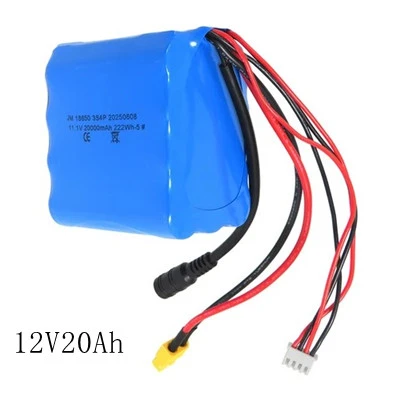
11.1V 12V 20000mah Rechargeable Lithium Battery for Flytec V030 V080 Boat
Brand: iBorn Nominal Voltage: 11.1V Nominal Capacity: 20Ah Max Dimensions: 95*59*71mm Certificate: CE, ROHS, UN38.3, IEC62133, MSDS, etc. Warranty: 1 year
View product
Buying at volume is a sourcing decision before it is a product decision. This guide explains how a wholesale lithium battery pack is specified, quoted and shipped when you buy directly from a lithium battery pack manufacturer — from cell grade and BMS scope through compliance paperwork and delivery documents.
Three supplier models look similar on a quotation sheet and behave very differently once your project starts. The rows below are the questions worth asking before you compare any two offers.
| Decision point | Factory-direct custom pack | Factory stock / off-the-shelf | Retail or trading-company listing |
|---|---|---|---|
| Who actually builds the pack | The same factory produces the cells and assembles the pack, so cell sourcing and pack build sit in one place. | Also built by the factory, but only in the configurations that are already tooled and listed. | The seller you buy from does not manufacture the cells; the build happens further upstream. |
| Can the pack be customized | Voltage, capacity, BMS, connector, harness and enclosure can follow your drawing. | Limited to the published variants, sizes and terminations. | Fixed listing — no changes to voltage, capacity or termination. |
| How order quantity is set | Driven by your project's cell count and any one-time tooling; the exact figure is confirmed at RFQ. | Driven by what is already built and in stock. | Counted in retail units, not production batches. |
| Lead-time shape | Sample or prototype stage first, then mass production once the drawing is approved; timing is confirmed in your quote. | Shortest route when the configuration you need is already stocked. | Depends on the reseller's local stock or on a reship from their supplier. |
| Who owns the warranty | The manufacturer issues the warranty terms and stands behind the build. | The manufacturer issues the warranty terms. | You rely on the reseller to pass the manufacturer's terms on to you. |
| Who owns the certification file | The factory holds the CE, CB, IEC62133, UL, PSE, RoHS and REACH files and issues UN38.3 and MSDS with the shipment. | The same factory certification files apply. | The reseller has to request the file from their own supplier before passing it to you. |
| Where the markup sits | At the factory — one build, one margin. | At the factory — one build, one margin. | Added at each step between the factory and your dock. |
iBorn sits on the factory side: founded in 2011 in Shenzhen, with more than 15 years manufacturing lithium cells and custom packs for energy storage, lighting, mobility and marine projects.
There is no published list price for a custom pack, because ten variables change the number at once. Each card below names the driver, why it moves your quote, and what to send so the quote comes back accurate the first time.
LiFePO4, Li-ion and other chemistries carry different voltage behaviour, cycle life and safety profiles. Brand-new Grade-A cells are the grade the reference cell credits with 6000 cycles.
Send us: required chemistry, and whether the cell must be brand-new Grade-A re-wrapped alternative is acceptable.
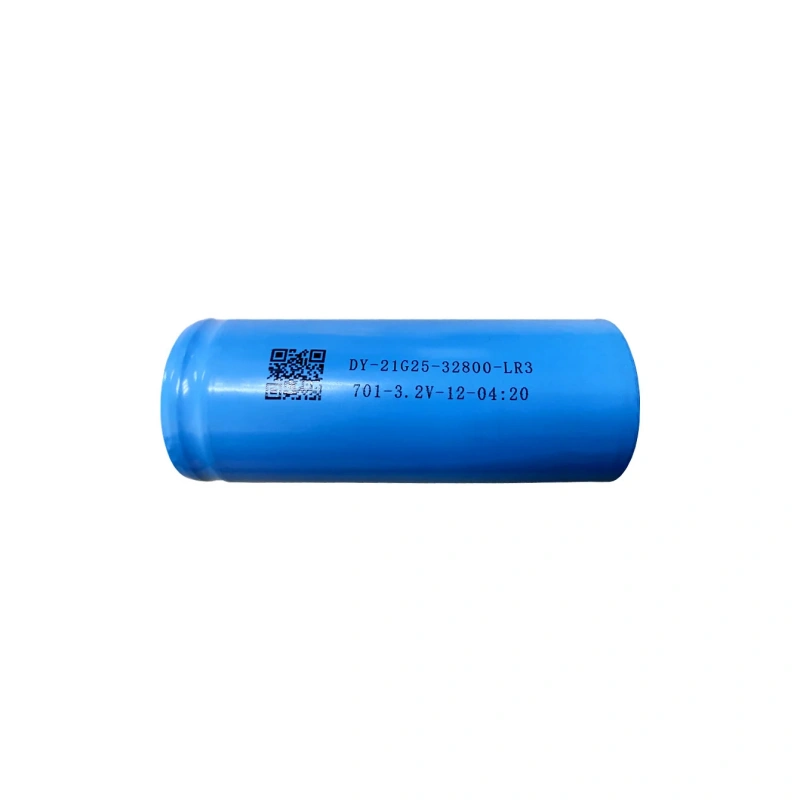
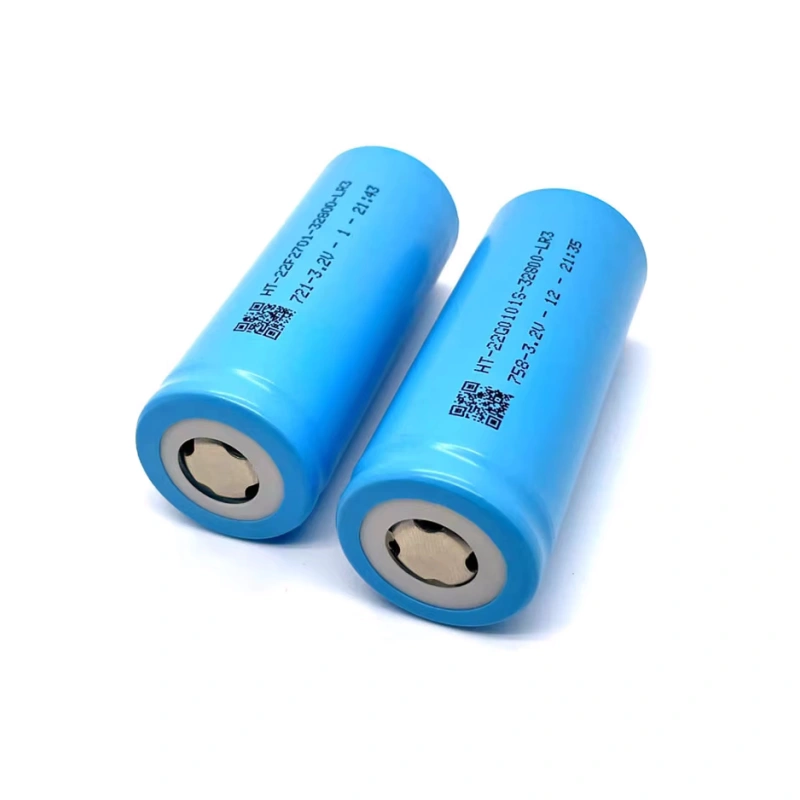
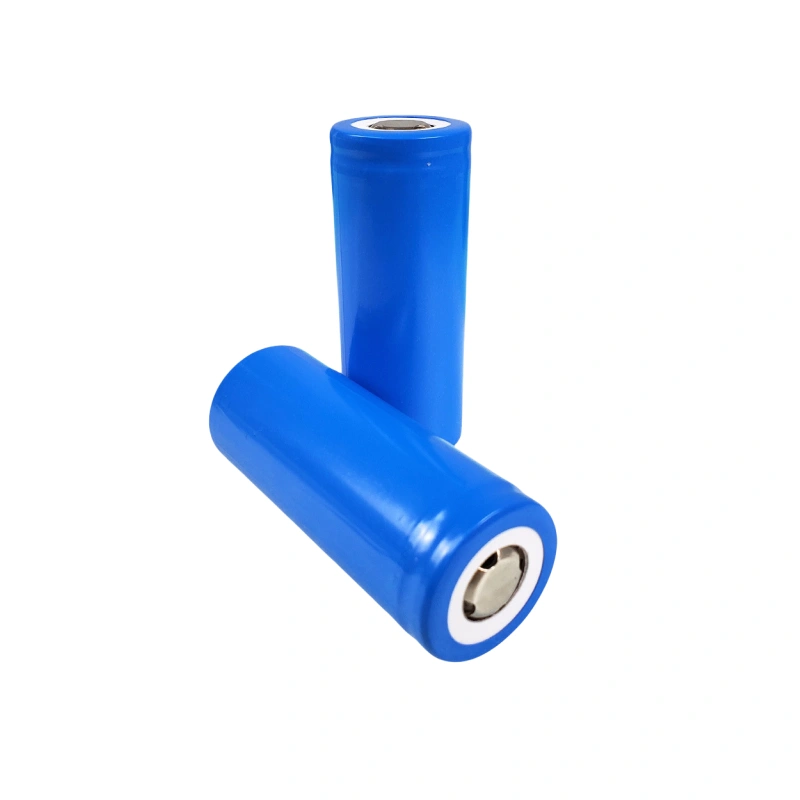
The 32800 cell measures 32.6 × 80.8 mm max. Format decides how many cells fit in your enclosure envelope and how the pack is laid out.
Send us: your enclosure envelope with the maximum cell diameter and height you can accept.
Capacity per cell — 7200 mAh at 0.5C discharge on the reference cell — sets how many cells a pack needs to hit your target Ah or kWh.
Send us: target pack voltage, capacity or energy, and the physical space available.
The S/P count sets pack voltage and how current is shared across cells, which in turn caps your continuous and peak discharge budget.
Send us: required pack voltage, continuous current and peak current.
Balancing, temperature sensing, communication and protection thresholds all add components. The reference cell works to a 3.65 V charge cut-off and a 2.0 V discharge cut-off.
Send us: current limits, whether balancing, temperature sensing or a communication protocol is required.
Terminals, wire gauge, harness length, fuse and a sealed connector are labour and material, and they are the parts buyers most often leave off a first drawing.
Send us: connector type, cable length, wire gauge and any fuse or switch requirement.
A standard housing keeps cost low; a custom mould is a one-time tooling item that is then amortised across the order volume.
Send us: enclosure drawing or 3D file, material, and any ingress-protection requirement.
Which markets you sell into decides whether the pack needs the CE, CB, IEC62133, UL, PSE, RoHS or REACH file, and whether extra testing is required for your configuration.
Send us: destination markets and the exact certificate list your buyer or customs agent requires.
Lithium shipments travel with UN38.3 and MSDS documentation, and the packaging spec plus transport mode both feed into the delivered cost.
Send us: destination, air or sea mode, and your packaging or pallet requirements.
A single project batch and a recurring annual schedule price differently, because tooling, certification and setup costs spread over different volumes.
Send us: first-order quantity and your annual forecast or repeat schedule.
Send your specification and we will return a line-item quote broken down by the drivers above.
This is what a usable supplier datasheet looks like. When you request a quote for a custom pack, the cell-level figures below are the baseline that pack voltage, cell count and current limits are calculated from.
| Item | Specification | Remark |
|---|---|---|
| Model No. | IFR32800 | 3.2V LiFePO4 cell |
| Nominal voltage | 3.2V | — |
| Nominal capacity | 7200mAh | @0.5C discharge |
| Dimensions | 32.6 × 80.8mm max | Diameter × Height |
| Cycle life | ≥6000 times | ≥80% of the initial capacity |
| Charge method | CC/CV dedicated lithium charger | — |
| Charge cut-off voltage | 3.65V | — |
| Discharge cut-off voltage | 2.0V | — |
| Standard charge current | 3600mA | — |
| Standard discharge current | 3600mA | — |
| Max continuous charge current | 7200mA | — |
| Max continuous discharge current | 21.6A | — |
| Peak discharge current | 36A | — |
| Operating ambient temperature | Charge 0~60℃; discharge -20~60℃ | Per cell |
| Storage temperature | -20~25℃ (12 months); -20~35℃ (3 months); -20~45℃ (1 month) | Time-limited |
| Internal resistance | ≤6mΩ | — |
| Weight | Approx. 162g | Per cell |
| Certificate | CE, RoHS, UN38.3, IEC62133, UL | As listed on the product page |
The same datasheet numbers mean different things depending on how you will use the pack. Below, each published figure is paired with the buying decision it should trigger.
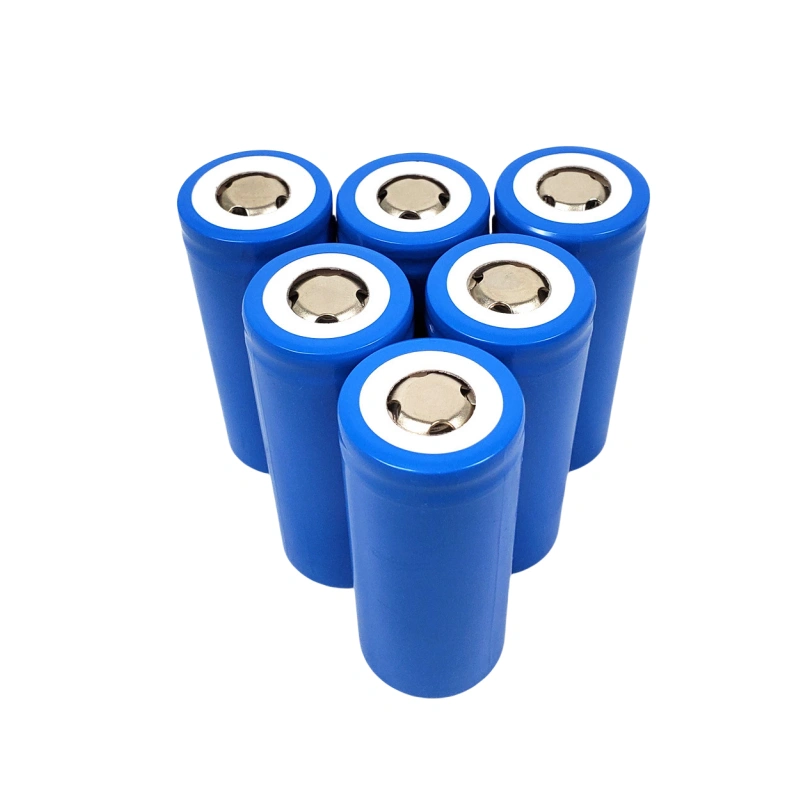
These are applications the reference cell is listed for on the product page. For each one, the useful RFQ question is not "what does a cell cost" but "which specification must be locked before a quote is meaningful".
Lock the cells per fixture and the enclosure fit inside the pole or lamp housing.
Decide: how many fixtures you are building, so cell count and housing are quoted together.
Lock pack voltage, series count and cabinet footprint for solar and wind storage builds.
Decide: whether the BMS must communicate with your inverter or system controller.
Lock continuous and peak current, then split the load across enough parallel cells.
Decide: the enclosure sealing level your installation environment demands.
Lock the discharge cut-off behaviour and the recharge schedule for a pack that sits idle between events.
Decide: standby time and how often the pack is exercised.
Lock peak current and the connector standard so the pack drops into an existing vehicle harness.
Decide: connector type, cable length and mounting arrangement.
Lock cycle life and the temperature the unit actually sees at the installed site.
Decide: whether the site needs an insulated or heated pack design.
Lock duty cycle and continuous current, since these packs work long, predictable shifts.
Decide: access for inspection and the BMS rating for the continuous load.
Lock weight and capacity, because both trade directly against each other in a handheld product.
Decide: target runtime and the maximum pack weight your product can carry.
Eight stages stand between your specification and a delivered batch. Ask any supplier to walk you through all eight before you place tooling money.
Voltage, capacity, continuous and peak current, enclosure envelope, certification scope and order quantity.
The factory returns a datasheet plus a mechanical drawing for your written approval before anything is built.
A small batch is built to the approved drawing so you can test fit, form and function in your own product.
Capacity, voltage and resistance consistency are checked, alongside cycle and temperature behaviour where your project requires it.
Production starts only after you approve the sample and the final specification is frozen.
Incoming cell checks and pack-level inspection before units are packed and counted.
UN38.3, MSDS and the Air/Sea Transport Identification Classification Report accompany a lithium shipment.
The freight mode and delivery schedule agreed in your quote take over, with documentation issued against the shipment.
Timing at each stage depends on your configuration, tooling and order volume — the schedule is confirmed in your quote rather than promised up front.
A specification is only half of an order file. Lithium packs also travel with certificates and transport documents, and buyers should see the actual files — not logos — before the goods ship.
Ask for the certificate file rather than a logo on a slide, the report number and the issuing laboratory, the name of the certificate holder, and — most importantly — written confirmation that the certificate actually covers the configuration, capacity and enclosure you are ordering. A certificate held for one pack size does not automatically cover a different one.
Send your voltage, capacity, current, enclosure envelope, certification scope and quantity. Custom pack design, OEM/ODM builds, custom enclosures and connectors, bulk order schedules and prototyping are all handled through the same RFQ path, and you will receive a line-item quote rather than a list price.
Keep adjacent product options together for a faster catalog comparison.
Brand: iBorn Nominal Voltage: 11.1V Nominal Capacity: 20Ah Max Dimensions: 95*59*71mm Certificate: CE, ROHS, UN38.3, IEC62133, MSDS, etc. Warranty: 1 year
View product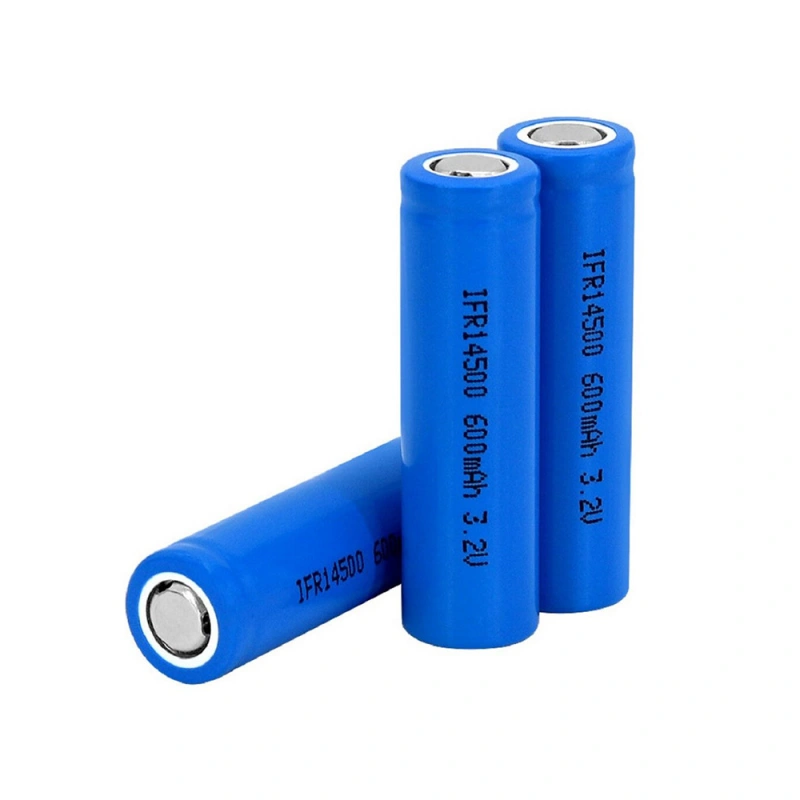
Model: 14500 Nominal Capacity: 600mAh Nominal Voltage: 3.2V Max Dimensions: 14.5*50.5mm Certificate: CE, ROHS, UN38.3, IEC62133, etc. Wide Working Temperature: -20℃~85℃
View product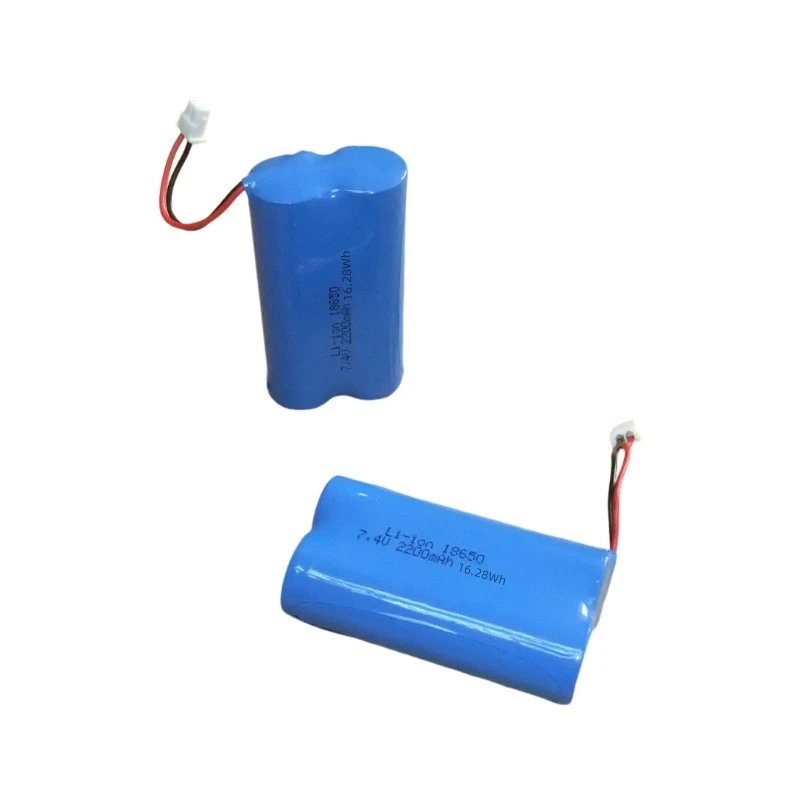
Source this 7.4V 2200mAh 18650 battery pack from a verified lithium ion battery supplier. Certified for safety, it offers 800+ cycles for OEM applications.
View producta factory-direct custom pack is built to your drawing — voltage, capacity, series/parallel arrangement, bms, connector and enclosure can all change. an off-the-shelf pack is limited to the configurations the factory has already tooled and listed. both come from the same production line, so the difference is the specification freedom, not the build quality.
pack pricing depends on variables that are only fixed once your specification is known: cell chemistry and grade, series/parallel arrangement, bms scope, connector and harness assembly, tooling, certification scope, packaging and freight class — plus order quantity. that is why the buying path is a quotation rather than a checkout, and why a detailed rfq returns a more usable number.
send the required chemistry, pack voltage, capacity or energy target, continuous and peak current, physical enclosure envelope, connector and cable requirements, the certification markets you sell into, first-order quantity, annual forecast, destination and transport mode. the more of these are fixed before the rfq, the fewer revisions the quote needs.
the product page lists ce, rohs, un38.3, iec62133 and ul for the 32800 cell, and the wider certificate set published by the manufacturer also covers cb, pse, reach, iso9001, iso14001 and bsci. for shipping, un38.3, msds and the air/sea transport identification classification report are the documents a freight forwarder will ask for.
the product page lists solar and wind projects, household and commercial energy storage, outdoor power supply, solar street lights, lawn lamps, miner's lamps, emergency lights, backup power, ups, electric scooters, e-bikes, motorcycles, electric tricycles, golf carts, recreational vehicles, trolling motors and marine, power banks, small home appliances, security systems, automatic gates, floor scrubbers, aerial work platforms, telecom stations and low-speed vehicles.
the usual path is requirement, spec sheet and drawing approval, a sample or prototype batch, validation of capacity, voltage and resistance consistency, then mass production once you approve the sample. qc inspection and shipping documents follow before delivery. sample scope, production timing and minimum order quantity are confirmed at rfq, because they depend on the configuration, tooling and volume of your specific project.
