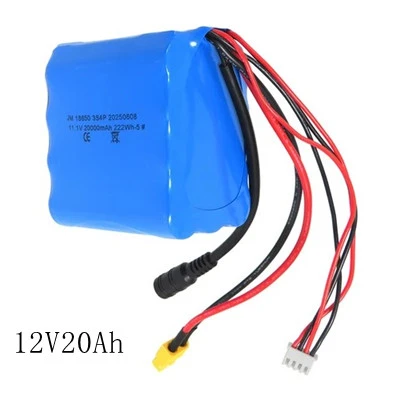
11.1V 12V 20000mah Rechargeable Lithium Battery for Flytec V030 V080 Boat
Brand: iBorn Nominal Voltage: 11.1V Nominal Capacity: 20Ah Max Dimensions: 95*59*71mm Certificate: CE, ROHS, UN38.3, IEC62133, MSDS, etc. Warranty: 1 year
View product
This dossier is built for sourcing teams that have to defend a supplier choice: the full IFR32800 datasheet, a certification map organised by destination market, and the checkpoints worth raising before you approve a sample. Whether you are benchmarking a LiFePO4 battery manufacturer against three competing quotes, or structuring a wholesale lithium battery programme for a distributor or integrator channel, every number below is attached to a published value, a document, or a stated operating limit.
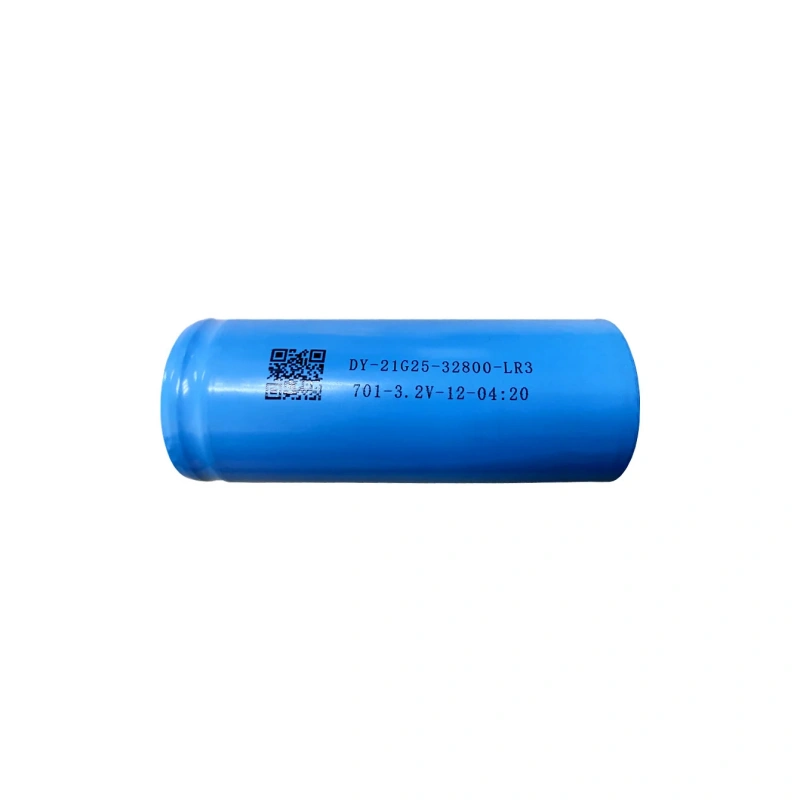
Before a technical review starts on any single cell, a buyer needs four things settled: which documents exist, which chemistries the factory actually builds, how custom work is handled, and whether the parts can leave the country. These four answers frame everything that follows.
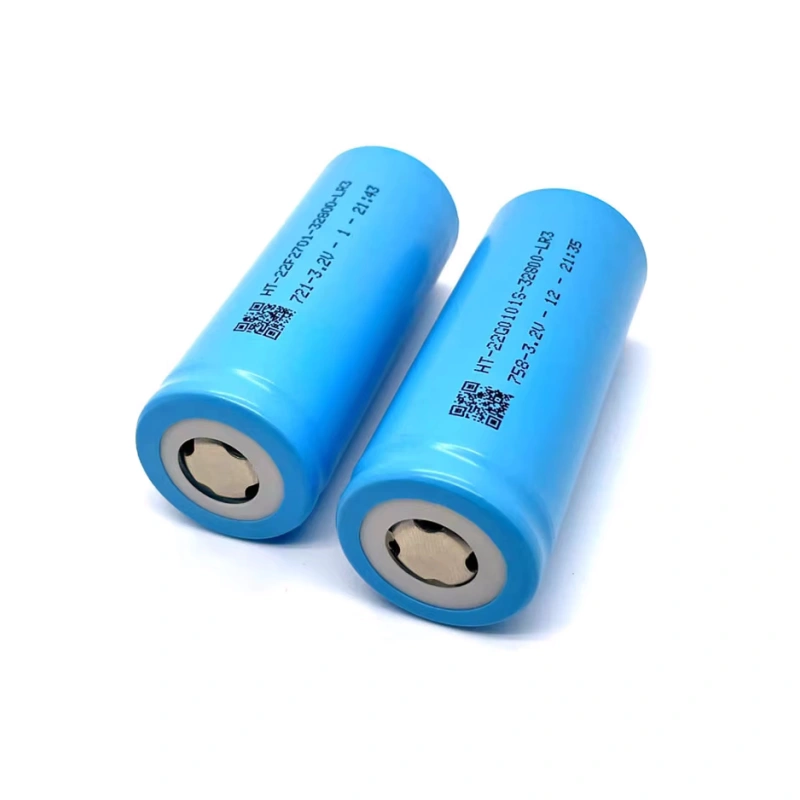
One cell carries the engineering story. The five figures below are the ones a design review asks about, and each one changes a decision on your side of the table.
| Parameter | Published value |
|---|---|
| Model No. | IFR32800 |
| Nominal voltage | 3.2V |
| Nominal capacity | 7200mAh @ 0.5C discharge |
| Dimensions (D×H) | 32.6 × 80.8mm max |
| Cycle life | ≥6000 times, ≥80% of initial capacity |
| Charge method | CC/CV with a dedicated lithium battery charger |
| Charge cut-off voltage | 3.65V |
| Discharge cut-off voltage | 2.0V |
| Standard charge current | 3600mA |
| Standard discharge current | 3600mA |
| Max continuous charge current | 7200mA |
| Max continuous discharge current | 21.6A |
| Peak discharge current | 36A |
| Operating ambient temperature | Charge 0~60°C; discharge −20~60°C |
| Storage temperature | −20~25°C (12 months); −20~35°C (3 months); −20~45°C (1 month) |
| Internal resistance | ≤6mΩ |
| Weight | Approx. 162g |
The storage tiers are a planning tool as much as a limit: a 12-month hold is only valid up to 25°C, so stock built for next season’s solar or emergency-lighting programme needs a temperature-controlled warehouse, not a general container yard.
A certificate list is only useful once it is sorted by where the goods are going. The same cell enters the EU, the US and Japan through different doors, and each door asks for a different document.
| Destination / route | Safety & cell standards | Environmental | Transport | Quality systems |
|---|---|---|---|---|
| European Union | CE, IEC62133, CB | RoHS, REACH | UN38.3, MSDS | ISO9001, ISO14001 |
| United States | UL, IEC62133 | RoHS | UN38.3, MSDS | ISO9001 |
| Japan | PSE, IEC62133 | RoHS | UN38.3, MSDS | ISO9001 |
| Global air & sea freight | — | — | UN38.3, MSDS, Air/Sea Transport Identification Classification Report | BSCI |
Certificate documents displayed with the cell include ISO9001, CB, CE, RoHS and UN38.3; the remaining items in the table above are listed in the product’s certificate set. Request the certificate pack with your destination country and we will send the matching PDFs for that route.
Each checkpoint below is tied to a published figure on this cell, so the answer you get back can be compared with the datasheet instead of with a sales claim.
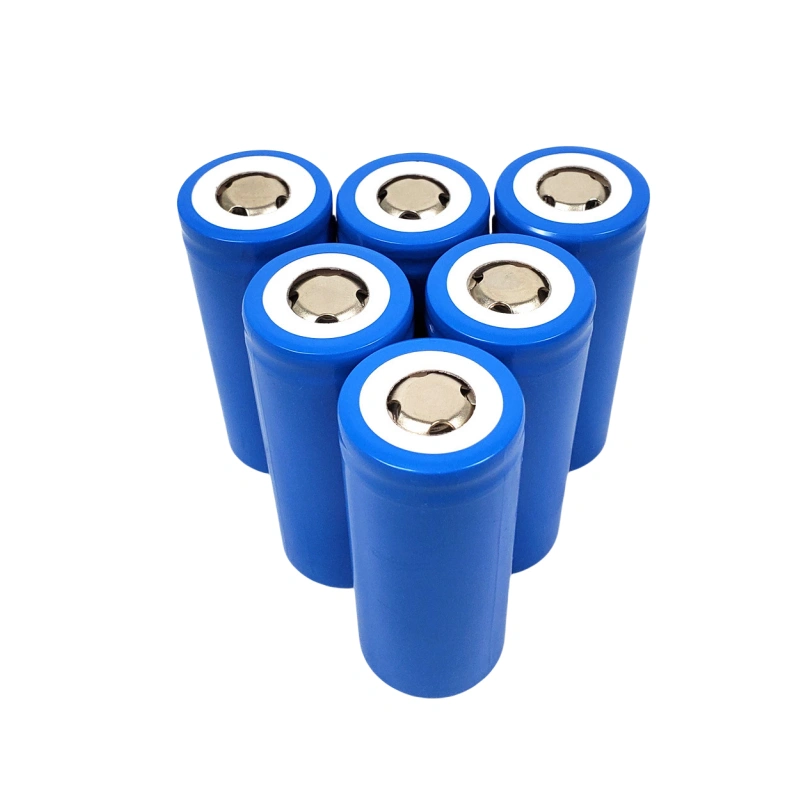
Brand-new grade-A cells are stated, with high consistency in capacity, voltage and resistance. Ask for the capacity and resistance spread across your sample lot — that spread, not the headline capacity, is what causes early pack imbalance.
The stated figure is ≥6000 cycles to ≥80% of initial capacity. Ask which charge and discharge current and which ambient temperature that number refers to, then compare it with the duty cycle your product actually runs.
The datasheet caps IR at ≤6mΩ. Ask whether the measurement is AC or DC and at what state of charge, because the two methods are not interchangeable when you set a BMS alarm threshold.
Standard discharge is 3600mA, maximum continuous is 21.6A and peak is 36A. Ask how long the 36A peak may be sustained, since peak ratings are written for surge events, not continuous motor load.
Charging is rated 0~60°C and discharging −20~60°C. Ask for the charge cut-off behaviour at or below 0°C if your product is installed outdoors in winter.
Thirteen documents are listed. Ask for the certificate pack that matches your destination, plus the air/sea classification report if you consolidate freight across borders.
The same 3.2V 7200mAh cell is used across very different loads. Choose the row that matches your product, and the buying decision follows from one published value.
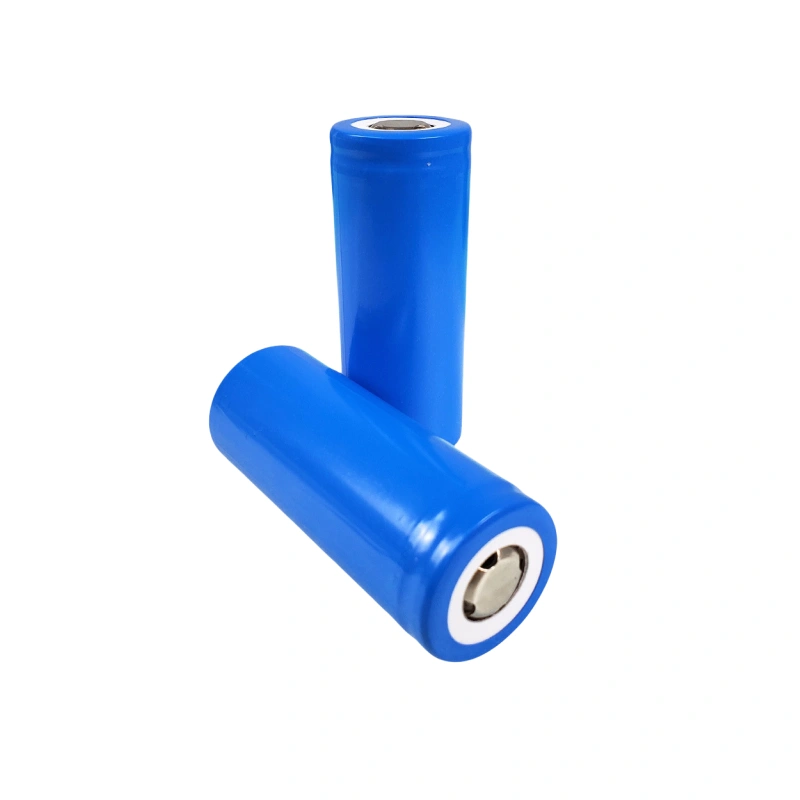
Nominal 3.2V and 7200mAh at 0.5C discharge suits a single-cell lamp head with a small controller.
Standard discharge is 3600mA, with 21.6A continuous available when the load calls for it.
21.6A continuous and 36A peak form the cell-level ceiling that pack architecture has to respect.
Surge behaviour comes from the 36A peak rating, not the continuous figure.
≥6000 cycles to ≥80% initial capacity is the number that sets service life and replacement cost.
Charging is rated 0~60°C and discharging −20~60°C, which frames the controller logic.
Quotes are engineered per project — there is no cart and no list price. Share your load profile, operating temperature range, target cycle life and destination market, and the reply will cover cell choice, BMS, prototyping and the certificate set for that route.
Keep adjacent product options together for a faster catalog comparison.
Brand: iBorn Nominal Voltage: 11.1V Nominal Capacity: 20Ah Max Dimensions: 95*59*71mm Certificate: CE, ROHS, UN38.3, IEC62133, MSDS, etc. Warranty: 1 year
View product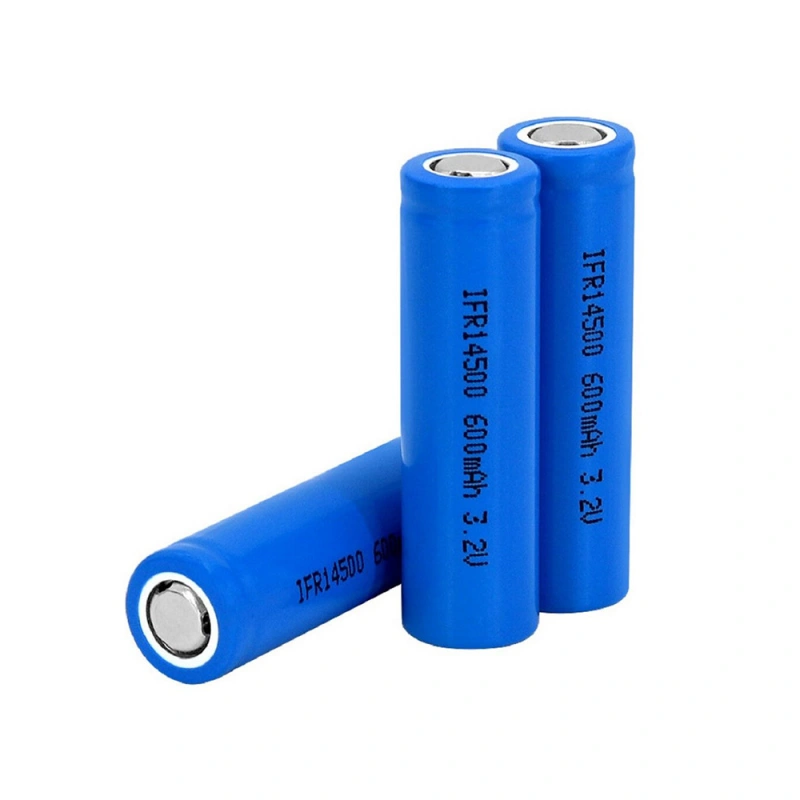
Model: 14500 Nominal Capacity: 600mAh Nominal Voltage: 3.2V Max Dimensions: 14.5*50.5mm Certificate: CE, ROHS, UN38.3, IEC62133, etc. Wide Working Temperature: -20℃~85℃
View product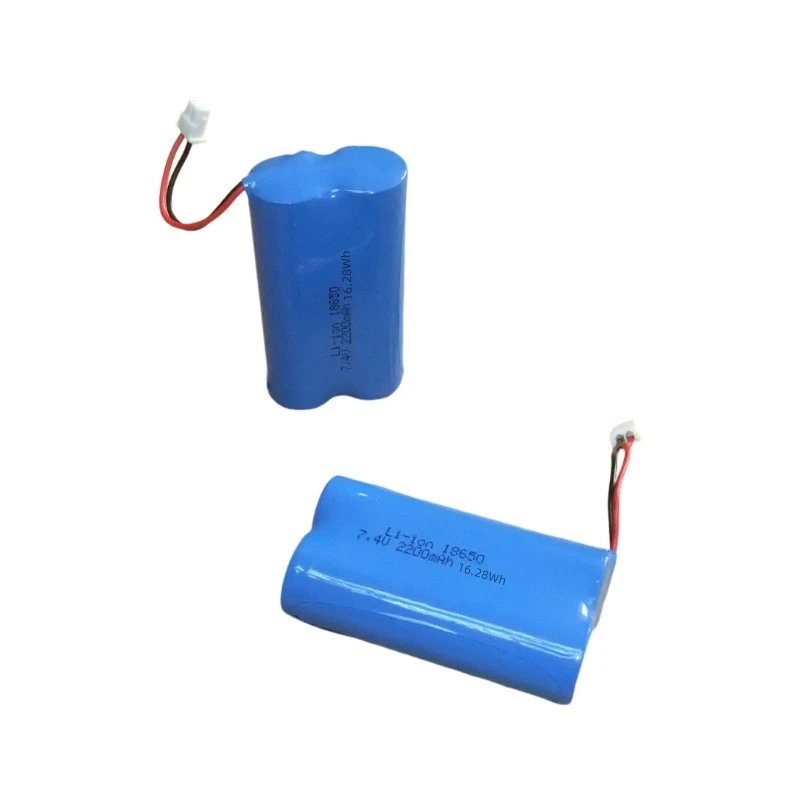
Source this 7.4V 2200mAh 18650 battery pack from a verified lithium ion battery supplier. Certified for safety, it offers 800+ cycles for OEM applications.
View productReview the product details, images, and specifications presented on the official product page.
Use the application and use-case information published on the official product page.
Confirm the specifications and options listed for the exact product variant before placing an order.
Check the official product page or ask the supplier about options shown for the selected product.
Use the official contact or inquiry path provided on the site.
Include the product page, intended use, required quantity, and any specifications you need the supplier to review.
